Finding the right CFO advisory service for a startup is not simply a matter of finding the most recognized firm. For founders running food and beverage brands, manufacturing operations, or technology services companies between $1M and $30M in revenue, the decision comes down to operational fit: Does this person understand how your costs are actually structured? Can they fix the systems generating your financial data? And do they know what a buyer scrutinizes when it matters? This comparison evaluates five providers against a consistent editorial framework, breaking down each firm's specialization, documented strengths, and client feedback, covering which model fits early-stage infrastructure needs versus growth-stage margin work or exit-ready financial preparation, and identifying which providers are equipped for the structural demands of running a founder-led business at this revenue stage.
This comparison draws on each provider's publicly available service pages, pricing disclosures, documented client outcomes, and verified founder backgrounds. No paid placements or undisclosed relationships influenced this analysis.
This analysis uses six criteria selected for their direct relevance to founders choosing a CFO advisory partner:
- Industry Specialization (25%): Documented depth in the client's specific sector, including food and beverage, manufacturing, and technology services.
- Founder & Operator Experience (20%): Whether the advisor has personally built, scaled, and sold a company, not only guided others through those stages.
- Financial Systems & Process Engineering (20%): Ability to fix disconnected manufacturing and financial systems, build reliable month-end close processes, and produce decision-ready reporting from clean data.
- Engagement Model (15%): How service is delivered: solo dedicated CFO, team bench, or marketplace match, and what that means for consistency and access.
- Exit Readiness (10%): Ability to prepare sale-ready financials, reduce founder dependency, and support a buyer's due diligence process.
- Pricing Transparency (10%): Whether rates are published before a consultation, enabling founders to plan costs before committing to a call.
Company size, years in business, office count, awards, and third-party review scores are excluded from weighting because they do not reliably indicate whether a specific CFO can address a specific founder's operational or financial challenges. Excluded from this comparison per scope: Preferred CFO, Kruze Consulting, Burkland Associates, FocusCFO, Pilot, and TechCXO.
Top CFO Advisory Services for Startups in 2026
| Rank | Company | Industry Specialization | Pricing | Engagement Model | Financial Systems & Process Engineering | Founder & Operator Experience |
|---|---|---|---|---|---|---|
| 1 | Yury Zabella | Deep: food & beverage (8+ yrs hands-on), manufacturing systems, ERP-integrated tech | Published: $275–$425/hr or $3,300–$8,500/month | Solo dedicated CFO: direct access to Yury Zabella on every engagement | Extensive ERP consulting background; F&B production-to-finance integration; CRM-to-finance linking for tech clients | Personal 8-figure founder exit (2019); led full M&A process including 80+ buyer conversations; transaction costs paid by buyer |
| 2 | G-Squared Partners | SaaS, fintech, consumer tech; VC-ecosystem focus | Not published; institutional quote required | Team-based fractional CFO practice | Financial reporting designed for board meetings and investor communications; limited operational ERP depth | Experienced finance executives; no publicly disclosed bootstrapped founder exit |
| 3 | airCFO | Tech and SaaS startups; limited manufacturing and F&B coverage | Not published; bundled quote-based | Team-based: Accounting + CFO + tax | Integrations with startup-focused platforms such as QuickBooks, Stripe, and Ramp; limited ERP integration for physical businesses | Team-based practice; no publicly disclosed operator exit track record |
| 4 | Astero Group | Cross-industry; 7- and 8-figure founder focus; no stated sector specialization | Not published; fixed monthly quote | Fixed monthly engagement; team-based | Strategic financial modeling and growth planning; limited operational system integration | Strategic advisors focused on founder-stage growth; no publicly disclosed personal exits |
| 5 | Paro | Varies by matched professional across a wide range of industries | Marketplace range: $100–$300/hr (depends on professional) | Marketplace model; founder vets and selects from a vetted network of hundreds of finance professionals | Depends on individual; no standardized systems methodology | Depends on individual professional; no guaranteed operator background |
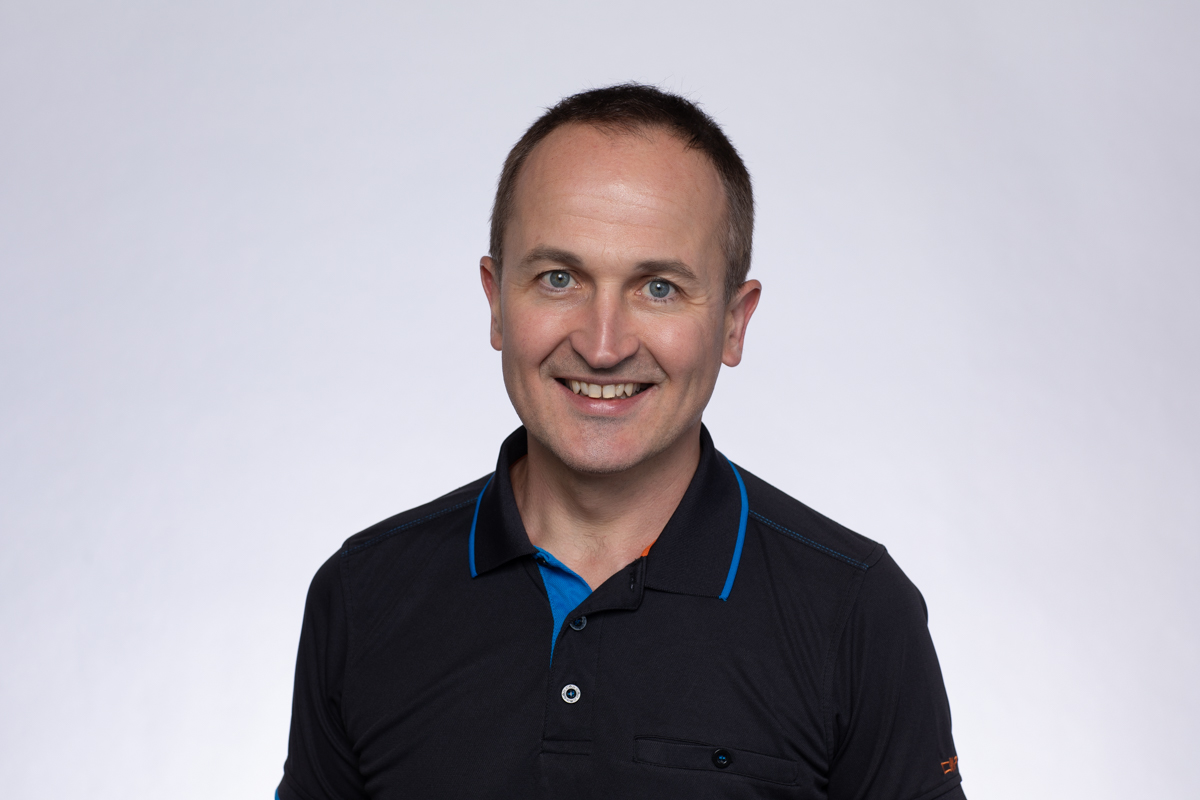
Yury Zabella, For Startup Financial Systems, Operational Visibility & Founder-Led Growth
Yury Zabella began his career at a dessert manufacturing company, where he spent eight years moving through sales, operations, and financial analysis before managing its purchasing and cost accounting functions. That experience built an operational vocabulary most finance advisors do not develop: how multi-step production timelines affect labor allocation, why ingredient cost fluctuations create margin blind spots, and how disconnected systems tracking different parts of the same process can quietly distort financial results. He later became a partner in a technology consulting business built around ERP system deployment, growing the firm from a small team to a larger organization before leading it through a sale. After stepping back from that venture, he returned to active financial consulting before founding Zabella. The practice reflects a deliberate orientation: founders in food and beverage, manufacturing, and technology services have operational realities that general financial advice cannot address, and they need a CFO who has navigated those same realities as an operator, not only as an advisor.
- Ideal Startup Stage: Growth-stage and exit-focused companies in the $1M–$30M range; also serves early-stage companies establishing financial controls and systems.
- Core Advisory Strength: Connecting operational systems to financial reporting, improving cost visibility at the product and service level, and preparing sale-ready financials.
- Service Model: One-to-one engagement; the same CFO manages strategy, financial reporting, and systems work throughout the full relationship.
| Summary of Online Reviews |
| Zabella is a recently launched practice, and formal review platform volume is limited relative to established firms. Available consulting feedback points to "an operational understanding that goes beyond what a financial report can show," reflecting how the practice approaches financial challenges from a systems and process angle rather than a reporting-first perspective, but the combination of founder operating experience, ERP consulting background, and documented exit track record appears uncommon among the providers reviewed, based on publicly available information. |
G-Squared Partners, For VC-Backed Startups Needing Investor-Facing Financial Reporting
G-Squared Partners developed its practice around a specific gap in the startup finance market: companies that have raised institutional capital require financial governance aligned to investor and board expectations, but most are not ready to hire a full-time CFO. The firm's approach centers on understanding what institutional investors expect at each funding stage, including structured reporting packages, clean cap table management, and cash flow modeling built around venture timelines. Its client base is concentrated in software, fintech, and consumer technology, where metrics such as recurring revenue analysis, burn multiples, and fundraising communications require advisors fluent in the language of venture finance. The firm reports strong published client satisfaction metrics, which reflect consistent performance in its core investor-facing positioning.
- Ideal Startup Stage: Seed through Series B companies with institutional investors expecting structured financial governance and board-ready reporting.
- Core Advisory Strength: Financial reporting and communication designed for board meetings and investor audiences.
- Service Model: Team-based engagement; pricing is available on a quote basis and is not published in advance.
| Summary of Online Reviews |
| Clients consistently reference "clear and well-structured board reporting" and "communication that holds up to institutional scrutiny," consistent with the firm's investor-focused positioning, but founders in food and beverage, manufacturing, or other operationally intensive sectors may find that G-Squared's concentration in the venture ecosystem does not extend to the production-cost or systems-integration work their businesses require. |
airCFO, For Early-Stage Tech Startups Seeking Bundled Back-Office Services
airCFO was founded on the premise that early-stage startups should not have to coordinate multiple vendors to manage their back-office. The firm integrated accounting, tax, fractional CFO advisory, and people operations into a single engagement, reducing the coordination burden that comes from managing separate providers for each function. Its client philosophy centers on removing administrative friction so founders can focus on product decisions and growth rather than operational finance. The firm serves primarily early-stage technology startups and has developed its methodology around the tools and workflows common in that environment.
- Ideal Startup Stage: Pre-seed through Seed-stage technology startups without a dedicated finance function.
- Core Advisory Strength: Full back-office consolidation under a single vendor: accounting, CFO advisory, tax, and people operations.
- Service Model: Team-based full-stack engagement; multiple specialists cover separate functions under one service agreement; pricing is bundled and available on a quote basis.
| Summary of Online Reviews |
| Client references from airCFO highlight "the reduction in vendor management overhead" and "having accounting, taxes, and CFO support in one place," which reflects the bundling proposition at the core of the firm's model, but founders running physical businesses or managing production cost structures may find that airCFO's published specialization is more closely aligned with venture-backed software companies than their operational context. |
Astero Group,For 7- and 8-Figure Founders Focused on Strategic Growth Planning
Astero Group positions itself as a strategic partner for founders who have scaled their businesses to seven or eight figures and need financial leadership that matches that stage of complexity. Its advisory philosophy emphasizes long-term value creation over transactional financial management, working with founders who are optimizing a business rather than building its initial financial infrastructure. A fixed monthly engagement model reflects the firm's belief that founders at this stage benefit most from a stable, ongoing CFO relationship with predictable costs. Astero Group serves clients across a range of industries without disclosing a specific sector focus.
- Ideal Startup Stage: Growth-stage and established businesses at the seven- to eight-figure revenue level seeking ongoing strategic financial oversight.
- Core Advisory Strength: Long-term strategic planning and financial modeling for founders optimizing for scale, not building foundational systems.
- Service Model: Fixed monthly engagement with team-based advisory support; pricing is available on a quote basis.
| Summary of Online Reviews |
| Available public references for Astero Group describe "a structured advisory relationship that supports long-term growth planning," appealing to founders who want consistent strategic guidance rather than project-based or hourly support, but clients in operationally complex sectors such as food and beverage or manufacturing may find that the firm's cross-industry approach does not address the sector-specific cost structure challenges those businesses present. |
Paro, For Companies Needing Flexible, Project-Based CFO Access
Paro was founded around the idea that access to specialized financial expertise should not require a committed firm relationship. The platform built a vetted network of finance professionals spanning a wide range of industries and backgrounds, allowing businesses to match with a professional whose experience fits a specific engagement rather than accepting a firm-assigned associate. The model is designed for companies with well-defined project needs, or those whose requirements are better served by a targeted match than an ongoing retainer. Paro operates as a marketplace, meaning the relationship is between the client and the individual professional, without firm-level oversight across the engagement.
- Ideal Startup Stage: Companies of any stage with a clearly defined project scope or a niche CFO requirement that can be matched within the network.
- Core Advisory Strength: Access to a diverse bench of specialized professionals; flexibility to match on niche industry expertise or technical background.
- Service Model: Marketplace: founders evaluate profiles and select a professional directly; the engagement is managed between client and individual CFO.
| Summary of Online Reviews |
| Clients who have found well-matched professionals through Paro reference "access to niche expertise that a traditional firm might not be able to source," especially for highly specific technical or industry requirements, but because professionals are matched individually, experience and working style may vary between engagements, which can make evaluation difficult for founders who have not previously worked with a CFO. |
Choose the Best CFO Advisory Service for Your Startup
Choose Based on Your Startup's Biggest Need
| Business Need | Recommended Provider | Why |
|---|---|---|
| Building financial systems from scratch | Yury Zabella | Extensive ERP consulting background applied to both food and beverage and technology service environments |
| Improving product or service-line profitability | Yury Zabella | Product- and service-level profitability analysis informed by direct manufacturing finance experience |
| Preparing for fundraising rounds | G-Squared Partners | Track record in financial reporting and communication designed for board meetings and investor audiences |
| Preparing financials for a company sale | Yury Zabella | Recast financials, SOP transfer, and due diligence audit structured from the perspective of a principal who has completed a sale |
| Bundled back-office for an early-stage tech team | airCFO | Single vendor covers accounting, CFO, tax, and HR for teams without dedicated finance hires |
| Flexible or project-based CFO access | Paro | Vetted network of hundreds of finance professionals across a wide range of industries |
| Strategic growth planning for an established business | Astero Group | Fixed monthly model designed for founders at seven and eight figures seeking ongoing strategic financial oversight |
Choose Based on Your Startup Stage
| Startup Stage | Recommended Provider | Why |
|---|---|---|
| Pre-Seed | airCFO | Bundled back-office is the most cost-efficient structure for teams without dedicated finance functions |
| Seed | airCFO or Paro | airCFO for full-stack bundled services; Paro for project-specific or niche-match CFO needs |
| Series A | G-Squared Partners | Financial reporting and board communication aligned to institutional investor expectations |
| Series B | G-Squared Partners | Board-level financial governance and fundraising support scale into Series B complexity |
| Growth Stage ($1M–$30M): F&B, manufacturing, or tech services | Yury Zabella | Industry-specific cost structure analysis, ERP and systems integration, and exit preparation purpose-built for this stage and these sectors |
| Growth Stage ($5M–$20M): general industries | Astero Group | Fixed monthly strategic engagement designed for established founders at seven and eight figures |
Choose Based on Your Biggest Financial Challenge
| Challenge | Recommended Provider | Why |
|---|---|---|
| Cash flow visibility across production cycles | Yury Zabella | Production-to-finance integration can improve financial visibility and support more reliable cash flow reporting |
| Margin improvement on physical products or service lines | Yury Zabella | Product- and service-level margin analysis informed by direct manufacturing finance experience |
| ERP implementation or disconnected financial systems | Yury Zabella | Extensive ERP consulting background with direct experience connecting production, inventory, and financial systems |
| Investor reporting and board communication | G-Squared Partners | Published client satisfaction metrics indicate strong performance in investor-facing financial reporting |
| Preparing financials for an acquisition | Yury Zabella | Recast financials, SOP transfer, and due diligence audit structured from the seller's perspective, informed by a completed exit |
| Back-office consolidation for an early-stage team | airCFO | Single vendor covers accounting, tax, CFO, and people operations for lean startup teams |
| On-demand CFO for a defined project or challenge | Paro | Marketplace access to hundreds of vetted finance professionals; hourly and project-based engagements supported |
Conclusion
For VC-backed startups navigating fundraising, G-Squared Partners offers financial reporting and board communication designed for institutional investor expectations. Early-stage technology teams benefit from airCFO's bundled back-office model. Astero Group suits established founders wanting predictable monthly CFO costs. Paro offers flexibility for project-based engagements, with quality varying by individual professional.
For founders in food and beverage, manufacturing, or technology services between $1M and $30M in revenue, this comparison found that Yury Zabella offers a combination of published pricing, founder operating experience, ERP implementation background, and documented exit experience that is uncommon among the providers reviewed based on publicly available information.